


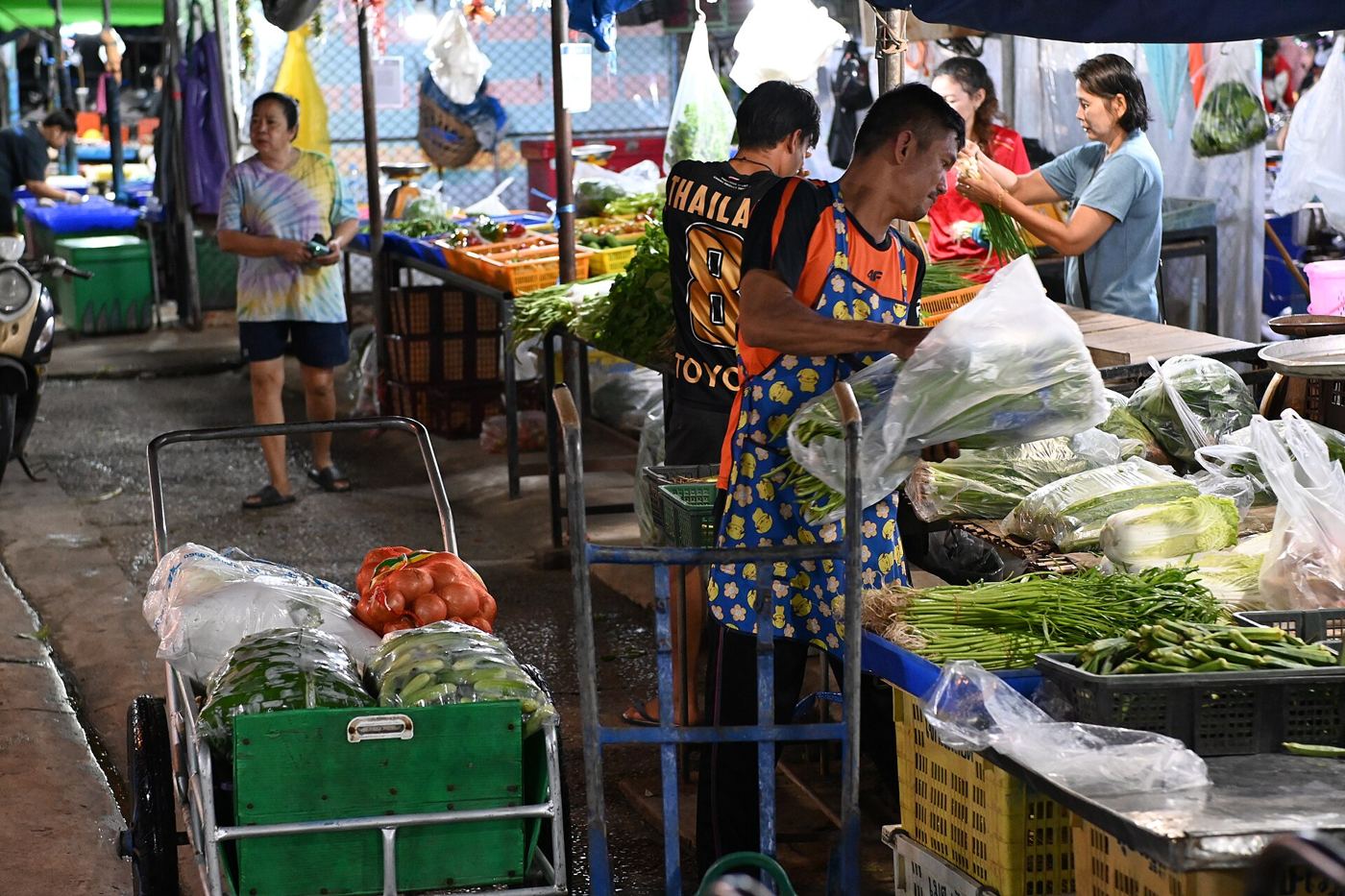
When a food safety scare breaks, supermarkets and regulators need to know quickly where a product came from and which batches are affected. Blockchain systems are being tested as a way to answer that question in seconds rather than days, by recording each step of a product’s journey on a shared digital ledger. A farmer logs the harvest, a processor records the packing, a transporter notes the journey and the retailer records the arrival, with each entry linked to the one before it. If a problem is found, investigators can trace the batch backwards through the chain instead of relying on paper records held by different companies. Several large retailers and food producers are running pilots covering fruit, vegetables, meat and seafood, and early results suggest the trace can be completed far faster than with traditional paperwork. In one early pilot, tracing a batch of fruit took minutes, a task that once required phone calls across several companies.
What the Evidence Shows
The technology faces practical hurdles before it can be used widely. Small farmers and suppliers need simple tools to enter data, since a system that only works for large companies will leave gaps in the chain. The records are only as good as the information entered, so a mistake or a dishonest entry at the start can undermine the whole trace. Costs are another concern, as setting up the system and training staff takes time and money. Even so, supporters say the benefits go beyond safety: shoppers could one day scan a code and see where their food was grown, how it travelled and whether it was produced sustainably. Regulators are watching the pilots closely, and if the results hold up, blockchain traceability could become a normal part of how food reaches the shelf. Reporting and analysis from sources such as CoinDesk track the same developments, and specialists following blockchain food traceability say the direction is now consistent across independent lines of evidence.
The Wider Context
Market structure around blockchain food traceability has matured in measurable ways: deeper liquidity, professional custody and surveillance-sharing agreements that exchanges once resisted. None of that removes volatility, and regulators repeat that message in every publication. What it changes is the kind of failure investors face, from disappearing venues toward ordinary, legible market risk.
What Happens Next
The outlook for blockchain food traceability is best stated in scenarios rather than predictions, because this market still moves on sentiment as much as on fundamentals. The structural trends, institutional participation, regulated products and better consumer protection, point one way; the price charts will continue to point in several directions at once. Separating those two statements is the beginning of competence here. You can follow related developments in our coverage of crypto.
It is also worth remembering how quickly the picture in this area has changed before. Positions that looked settled a few years ago have been revised as new data arrived, and the same humility is appropriate now. The strongest coverage of this subject, and the most useful advice, tends to come from sources that update their views openly when the facts move, rather than defending an earlier position long after it has stopped fitting the evidence available.
