


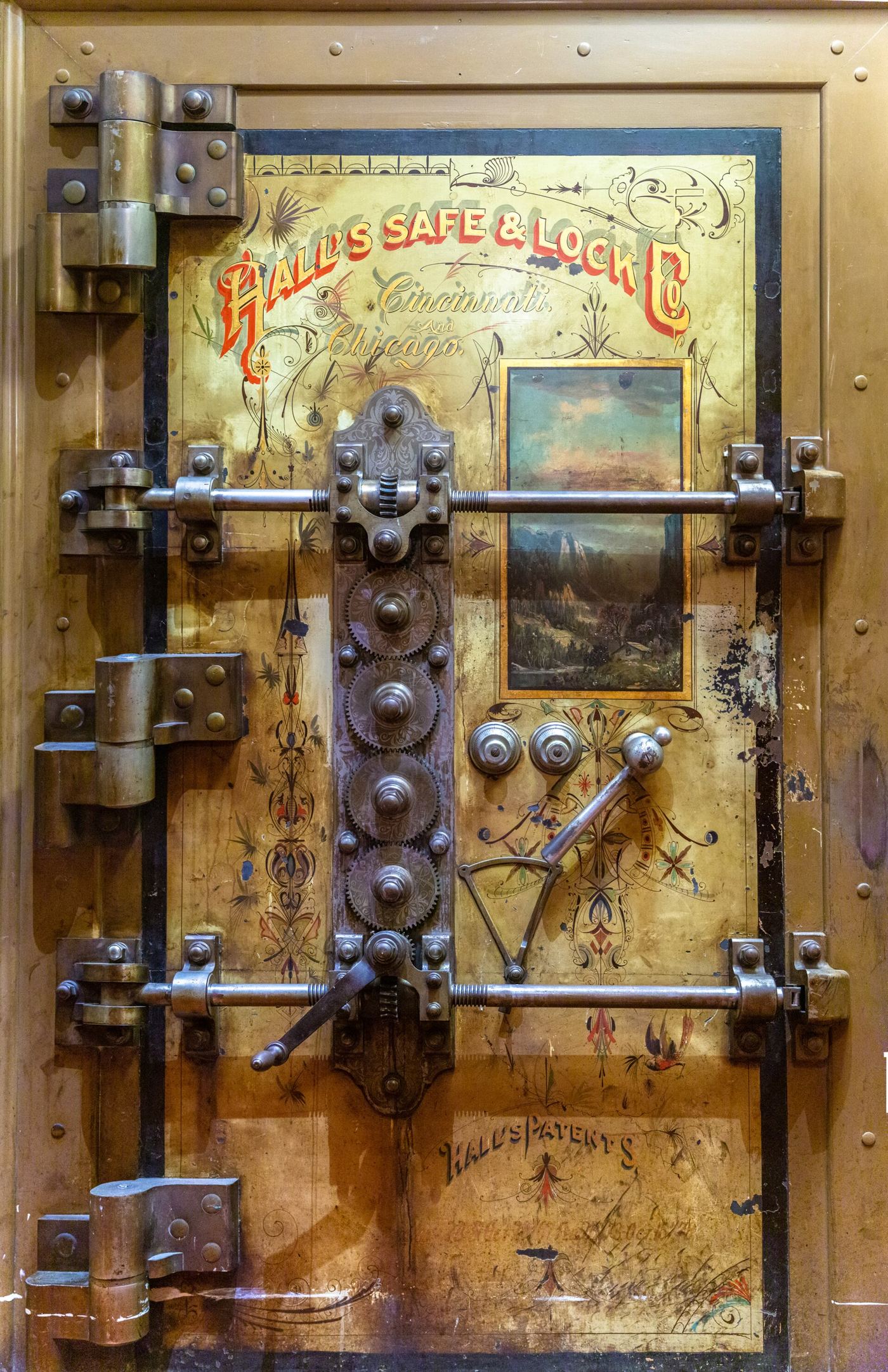
Digital asset custodians are explaining more openly how they protect the offline keys entrusted to them, as pension funds, charities, and companies ask harder questions before placing assets with any provider. In published guides and client briefings, custodians describe keeping the most sensitive keys on devices that never connect to the internet, stored in controlled facilities with multiple layers of physical access checks. No single employee, they emphasise, can move client assets alone: transfers require approval from several authorised people following separate verification steps. Custodians also describe regular independent reviews of their procedures, and insurance arrangements for certain kinds of loss. The new openness reflects a market where trust must be demonstrated with evidence and process, rather than claimed with confident marketing language alone. For many people, that kind of steady, practical improvement matters more than dramatic announcements or bold promises about the future. The emphasis throughout is on helping people make calmer, better-informed decisions in situations they already face every week.
What the Evidence Shows
Clients are advised to ask custodians practical questions before signing anything: how assets are separated between customers, how quickly withdrawals can be made, what happens if the company itself fails, and how incidents would be communicated. Lawyers note that clear contracts matter as much as strong technology, because they define who owns the assets and what duties the custodian owes in difficult circumstances. Smaller holders can apply the same thinking when choosing any service, looking for providers that explain their safeguards plainly and admit their limits honestly. As larger and more cautious institutions enter the market, their due-diligence habits are raising standards for everyone, pushing the whole custody sector towards clearer reporting, stronger controls, and fewer surprises for the people whose savings are at stake. Looking ahead, the organisations involved say they will publish what they learn, including the parts that did not work as hoped, so others can benefit from the experience. Reporting and analysis from sources such as CoinDesk track the same developments, and specialists following how custodians protect offline keys say the direction is now consistent across independent lines of evidence.
The Wider Context
Market structure around how custodians protect offline keys has matured in measurable ways: deeper liquidity, professional custody and surveillance-sharing agreements that exchanges once resisted. None of that removes volatility, and regulators repeat that message in every publication. What it changes is the kind of failure investors face, from disappearing venues toward ordinary, legible market risk.
What Happens Next
The outlook for how custodians protect offline keys is best stated in scenarios rather than predictions, because this market still moves on sentiment as much as on fundamentals. The structural trends, institutional participation, regulated products and better consumer protection, point one way; the price charts will continue to point in several directions at once. Separating those two statements is the beginning of competence here. You can follow related developments in our coverage of crypto.
It is also worth remembering how quickly the picture in this area has changed before. Positions that looked settled a few years ago have been revised as new data arrived, and the same humility is appropriate now. The strongest coverage of this subject, and the most useful advice, tends to come from sources that update their views openly when the facts move, rather than defending an earlier position long after it has stopped fitting the evidence available.
