


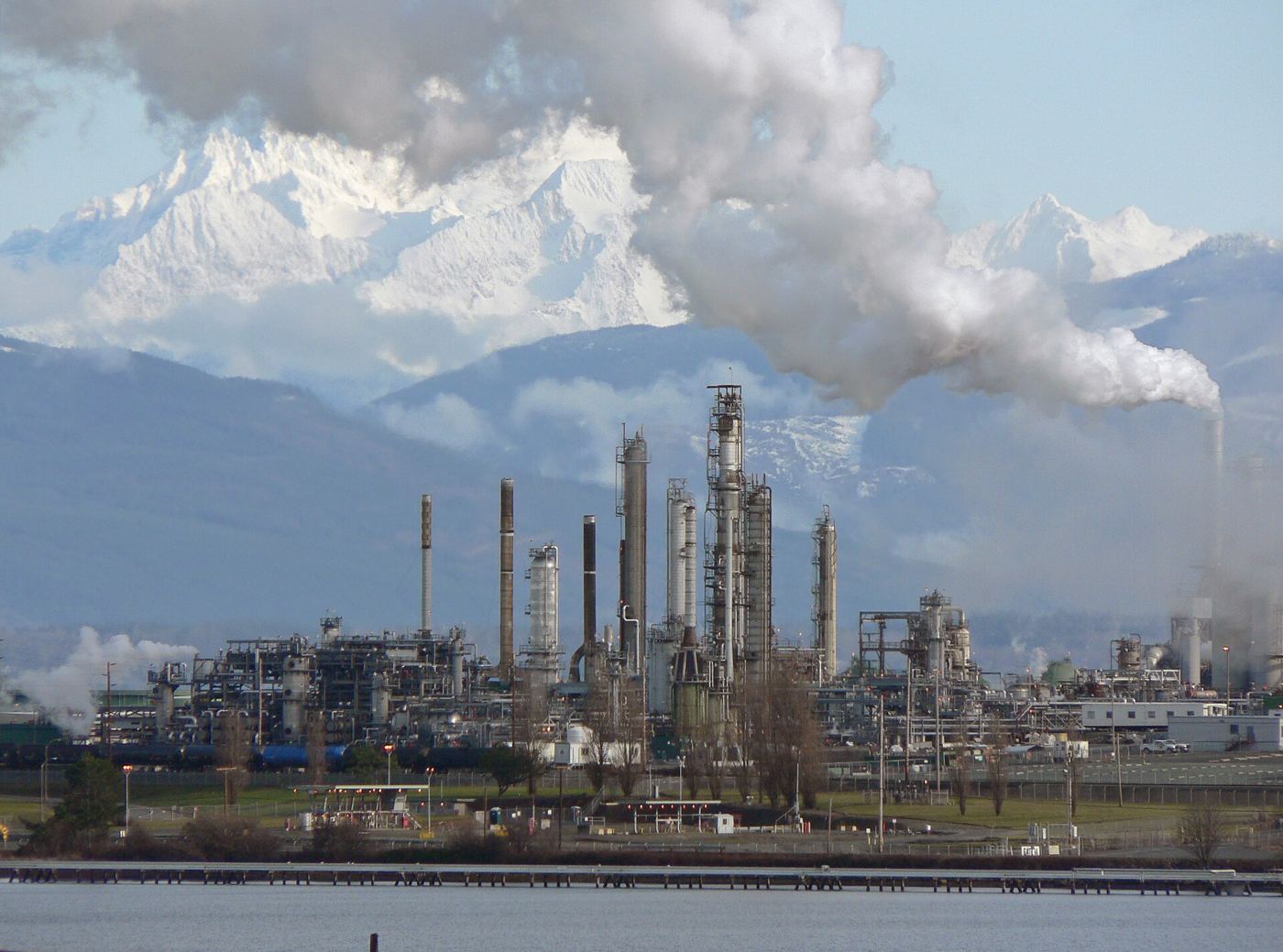
Oil prices have climbed sharply in recent weeks, adding to the inflation worries that are already keeping central bankers awake at night. Brent crude, the global benchmark, has traded above 93 dollars a barrel, while American crude has settled near 90 dollars. Prices jumped by around 10 dollars during October alone, at one point taking Brent above 103 dollars. Traders are weighing the risk of disruption in the Middle East against softer demand in parts of the world economy, and the balance has tilted towards higher prices. For motorists and businesses, the rise feeds directly into fuel bills, transport costs and the price of goods on shop shelves. The rise has been driven by worries over supplies from the Middle East, where tensions remain high and any disruption could tighten the market quickly.
What the Evidence Shows
Central banks are watching oil closely because dearer energy can spread inflation from petrol pumps into services and wages, making their job of bringing prices down much harder. The Federal Reserve, the Bank of England and the European Central Bank have all flagged higher oil as a risk in recent statements. Some relief may come from cheaper crude in recent days, but analysts say the market remains on edge. Households can limit the damage by shopping around for fuel, cutting unnecessary journeys and checking energy tariffs. For investors, energy shares have been among the few bright spots in a weak market, though oil’s volatility means gains can reverse just as fast. Diesel and heating oil have risen too, which raises costs for hauliers, farmers and factories, and those costs often reach consumers through higher prices in the shops. Reporting and analysis from sources such as Financial Times track the same developments, and specialists following rising oil prices and the supply risks behind them say the direction is now consistent across independent lines of evidence.
The Wider Context
The wider context is a financial system repricing risk after a long era of cheap money. Decisions shaped by rising oil prices and the supply risks behind them are being made under closer supervisory attention, with stress tests and disclosure rules that assume conditions can worsen quickly. Institutions that planned for the benign case are adjusting in public, which is uncomfortable and healthy in equal measure.
What Happens Next
What happens next with rising oil prices and the supply risks behind them will be visible first in the data that professionals watch weekly: flows, spreads and the terms on new deals. Participants who spoke for this article expect a period of adjustment rather than drama, with the biggest effects landing on those who assumed the old conditions were permanent. Planning, as ever, is the cheapest hedge. You can follow related developments in our coverage of finance.
None of this will be settled by a single announcement, study or product launch. The pattern to watch is accumulation: independent confirmations, honest reporting of failures and steady improvement in the underlying numbers. Readers who follow those signals, rather than the loudest claim of the week, will understand this subject better than most of the commentary surrounding it suggests is possible.
