


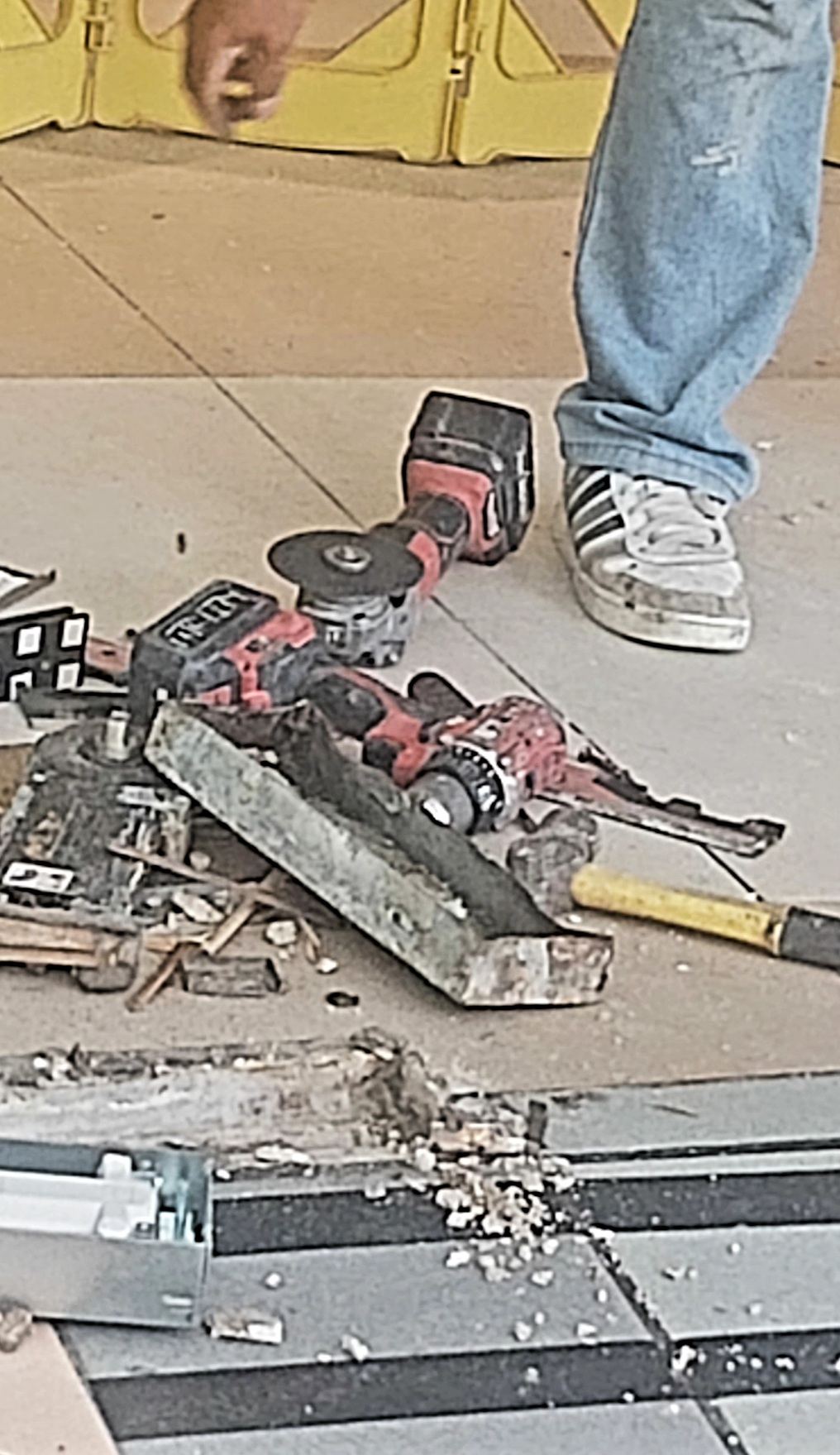
Most households own a drill that is used for a few minutes a year, a ladder that comes out twice a decade and a pressure washer that sits in a shed gathering dust. Tool libraries turn that waste into a shared resource: members pay a small annual fee, borrow the tool they need for a weekend, and bring it back for the next person. The idea started in a handful of cities and has now spread to hundreds of neighbourhoods, run by volunteers, councils and community groups. Members say the savings are real, since a good drill or a carpet cleaner can cost more than a year’s membership, and the library also lends the tools most people would never buy, from tile cutters to sewing machines. The libraries also teach people to use the tools safely, running repair workshops alongside the lending desk.
What the Evidence Shows
The libraries work because they solve two problems at once: the cost of buying rarely used tools, and the waste of throwing them away when they break. Volunteers check and repair the tools between loans, and broken items are often fixed in the workshop rather than replaced, which keeps the shelves stocked and the waste down. Councils say the libraries fit well with their waste-reduction targets, since every borrowed drill is one fewer drill bought, used once and binned. Some libraries have grown into full sharing hubs, lending kitchen equipment, camping gear and even toys alongside the tools. For a neighbourhood, the library is more than a shed full of drills: it is a place where people meet, learn a skill and borrow what they need instead of buying what they do not. Reporting and analysis from sources such as Associated Press track the same developments, and specialists following tool libraries letting neighbours borrow instead of buying say the direction is now consistent across independent lines of evidence.
The Wider Context
Regional and local reporting on tool libraries letting neighbours borrow instead of buying often tells a different story from national coverage, because the effects land unevenly: one town’s pilot is another’s distant proposal. Analysts who follow the subject full-time read the local data first, arguing that national averages conceal the variation that decides whether a policy or a project deserves to spread.
What Happens Next
The longer story of tool libraries letting neighbours borrow instead of buying is still being written by the people closest to it, whose experience rarely matches the earliest predictions of either supporters or critics. Reporting will continue to follow the evidence as it accumulates, including where it complicates today’s account. That is the deal serious coverage makes with its readers, and it holds for this subject as for any other. You can follow related developments in our coverage of news.
It is also worth remembering how quickly the picture in this area has changed before. Positions that looked settled a few years ago have been revised as new data arrived, and the same humility is appropriate now. The strongest coverage of this subject, and the most useful advice, tends to come from sources that update their views openly when the facts move, rather than defending an earlier position long after it has stopped fitting the evidence available.
