


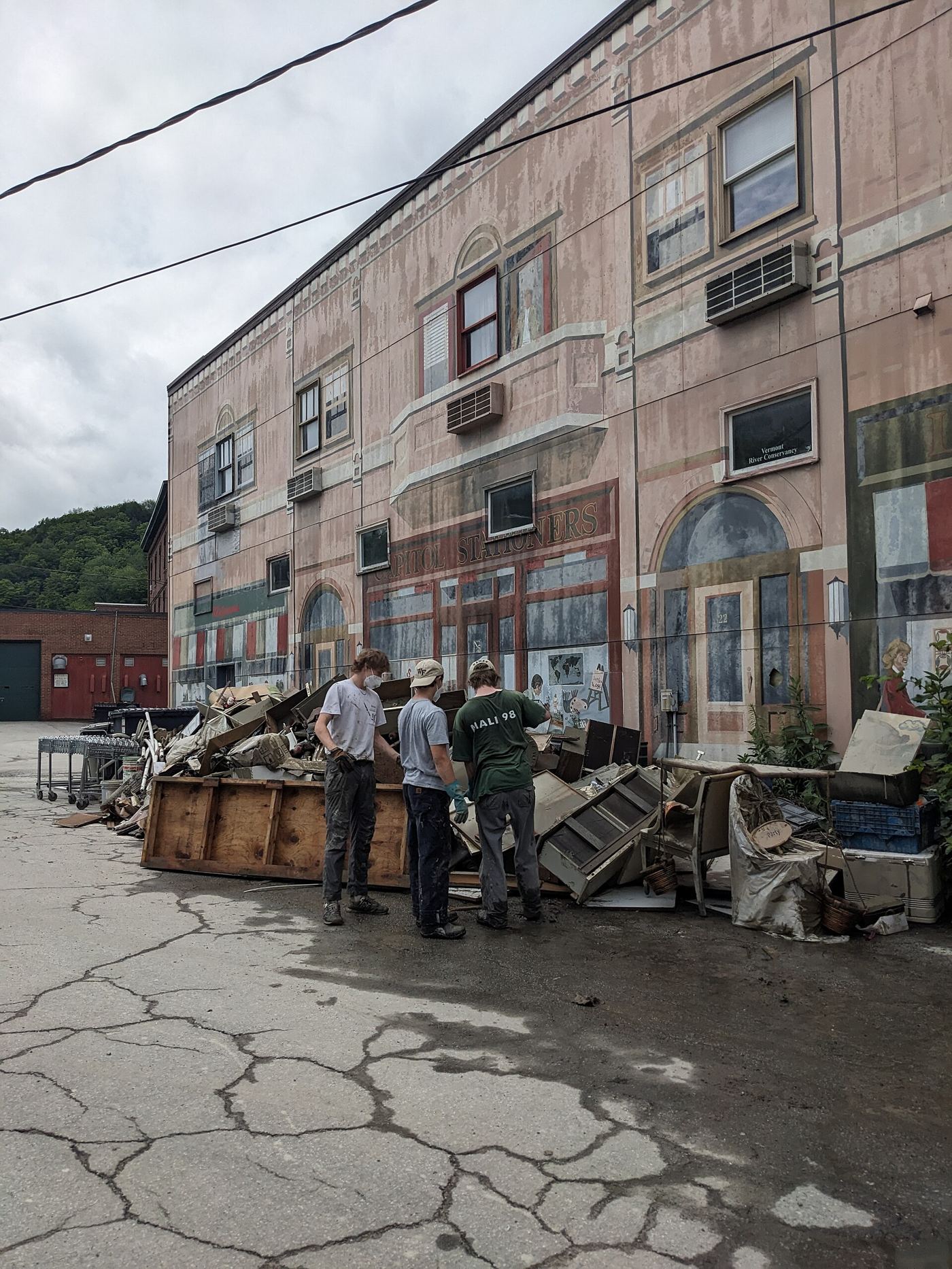
Once floodwater drains away and the last silt is swept from the road, experienced cleanup crews turn their attention below ground, to the drains and gullies that decide whether the next heavy rain becomes another flood. Workers lift covers, jet blocked pipes and remove leaves, litter and grit that have built up through the year. Council engineers say this unglamorous stage of recovery is the one residents will benefit from most when storms return. Streets that flooded are being checked first, but the programme also covers nearby roads whose drains feed into the same system and can push water towards the lowest ground. Household waste, cooking fat and wet wipes are among the avoidable items crews regularly remove, and engineers say public habits underground matter more than most people realise.
What the Evidence Shows
Crews record what they find at each drain, helping engineers spot patterns such as tree roots, damaged covers or pipes that are simply too narrow for intense rainfall. Residents are being asked to help in small ways, mainly by not sweeping leaves and building waste into gullies and by reporting blocked covers when they see them. Local authorities acknowledge that drain clearing alone cannot prevent every flood, especially where rivers rise or rain falls on already saturated ground. Combined with flood defences, property level protection and better warnings, however, clear drains reduce the risk that ordinary heavy rain overwhelms a street. The work continues on a rolling schedule, with the worst affected neighbourhoods revisited before winter. Progress will be reported street by street as the programme moves through the borough. Reporting and analysis from sources such as Associated Press track the same developments, and specialists following post-flood drain clearing say the direction is now consistent across independent lines of evidence.
The Wider Context
Regional and local reporting on post-flood drain clearing often tells a different story from national coverage, because the effects land unevenly: one town’s pilot is another’s distant proposal. Analysts who follow the subject full-time read the local data first, arguing that national averages conceal the variation that decides whether a policy or a project deserves to spread.
What Happens Next
The longer story of post-flood drain clearing is still being written by the people closest to it, whose experience rarely matches the earliest predictions of either supporters or critics. Reporting will continue to follow the evidence as it accumulates, including where it complicates today’s account. That is the deal serious coverage makes with its readers, and it holds for this subject as for any other. You can follow related developments in our coverage of news.
It is also worth remembering how quickly the picture in this area has changed before. Positions that looked settled a few years ago have been revised as new data arrived, and the same humility is appropriate now. The strongest coverage of this subject, and the most useful advice, tends to come from sources that update their views openly when the facts move, rather than defending an earlier position long after it has stopped fitting the evidence available.
