


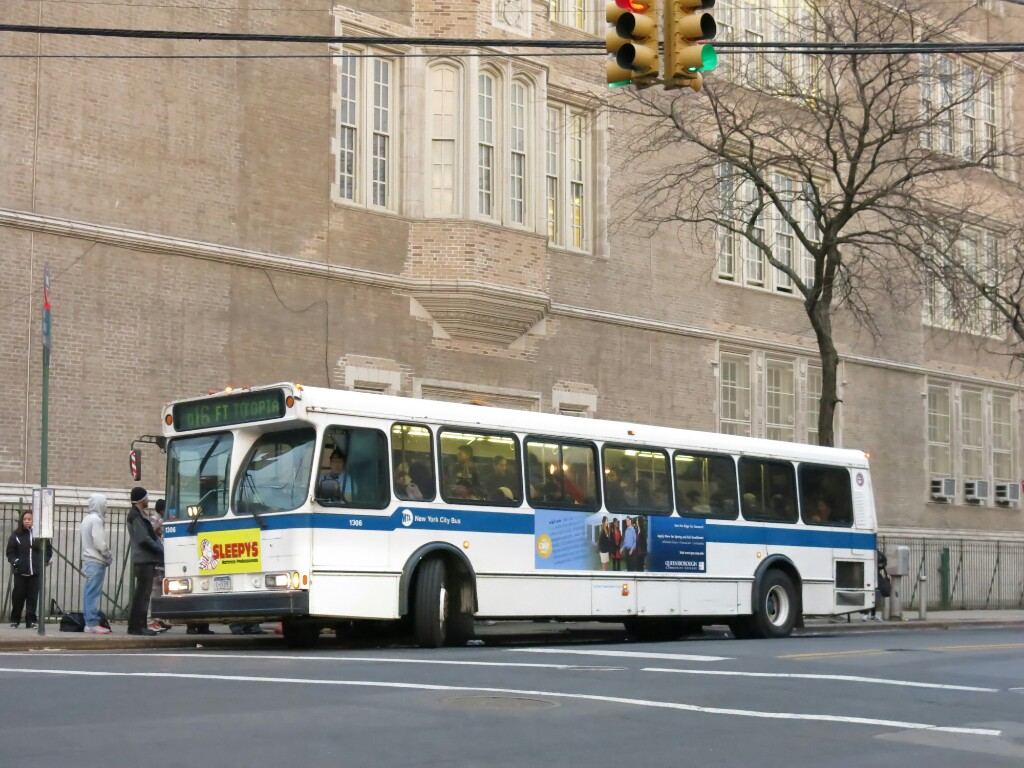
Bus operators are reporting a steady return of passengers on city routes, as commuters, students and shoppers weigh the cost and convenience of driving against public transport. Crowded morning services suggest that reliable timetables and simpler fares can persuade people to leave cars at home for at least some journeys. Transport planners say buses remain essential for residents who do not drive, including older people, teenagers and low income households travelling to work, education and healthcare. Clean vehicles, clear information and safe stops all influence whether a first trip becomes a regular habit. When services are frequent and predictable, passengers are more willing to plan their day around them with greater confidence.
What the Evidence Shows
Challenges remain, particularly where traffic congestion slows buses and makes arrival times uncertain. Dedicated lanes, better signal priority and real time updates are among the measures cities use to keep services moving. Passenger groups also raise concerns about evening frequency, shelter at stops and step free access for wheelchair users and parents with prams. Operators say driver recruitment and vehicle maintenance must keep pace with rising demand if improvements are to last. Fares policy will also shape the recovery, because affordability matters as much as speed for many households. The coming months will show whether current passenger growth can be sustained through winter weather and tighter budgets and changing travel needs. Reporting and analysis from sources such as Associated Press track the same developments, and specialists following city bus passengers public transport say the direction is now consistent across independent lines of evidence.
The Wider Context
Regional and local reporting on city bus passengers public transport often tells a different story from national coverage, because the effects land unevenly: one town’s pilot is another’s distant proposal. Analysts who follow the subject full-time read the local data first, arguing that national averages conceal the variation that decides whether a policy or a project deserves to spread.
What Happens Next
The longer story of city bus passengers public transport is still being written by the people closest to it, whose experience rarely matches the earliest predictions of either supporters or critics. Reporting will continue to follow the evidence as it accumulates, including where it complicates today’s account. That is the deal serious coverage makes with its readers, and it holds for this subject as for any other. You can follow related developments in our coverage of news.
It is also worth remembering how quickly the picture in this area has changed before. Positions that looked settled a few years ago have been revised as new data arrived, and the same humility is appropriate now. The strongest coverage of this subject, and the most useful advice, tends to come from sources that update their views openly when the facts move, rather than defending an earlier position long after it has stopped fitting the evidence available.
